
Blog
K2 Symptoms & Warning Signs: How to Tell if Someone’s Using


K2 Symptoms and Warning Signs: How to Tell if Someone Is Using
Recognizing K2 symptoms is harder than recognizing the signs of most other drugs — and that difficulty is part of what makes synthetic cannabinoids so dangerous. There’s no consistent smell to look for, standard drug tests don’t detect it, and because the chemicals change from batch to batch, the same person can show completely different symptoms from one use to the next.
If you’re reading this because you’re worried about a teenager, a partner, or a friend, this guide will help. It covers the physical, behavioral, cognitive, and psychological symptoms of K2 use, the paraphernalia and packaging to watch for, the emergency signs that require a 911 call, and — just as importantly — how to approach someone you’re concerned about without pushing them away.
Why K2 Symptoms Are Hard to Spot
Three things make synthetic weed symptoms uniquely difficult to identify:
The chemistry changes constantly. K2 isn’t one drug. It’s dried plant material sprayed with whichever synthetic cannabinoid a manufacturer used that month. Since you can never be sure what’s in a given dose, the telltale signs of use vary from person to person and from batch to batch.
Standard drug tests miss it. A routine 5-panel or 10-panel screen does not detect synthetic cannabinoids. In fact, some people specifically choose K2 because it evades testing — which means a clean drug test tells you nothing. (See our K2 drug test guide for the full explanation.)
It’s marketed to look harmless. Packets are often labeled as “incense,” “potpourri,” or “herbal blend,” carry the disclaimer “not for human consumption,” and sometimes feature bright cartoon graphics designed to appeal to young people. A foil packet on a nightstand can look like nothing at all.
This is why the behavioral and physical symptoms matter so much — often they’re the only signal available.
Physical Symptoms of K2 Use
The physical symptoms of spice use tend to be more extreme than what people expect from cannabis, because most synthetic cannabinoids bind far more strongly to the brain’s cannabinoid receptors than THC does.
Common physical K2 symptoms include:
- Rapid or irregular heartbeat (tachycardia)
- Elevated blood pressure
- Red or bloodshot eyes
- Severe nausea and repeated vomiting
- Profuse sweating
- Dilated pupils
- Slurred speech
- Poor coordination or unsteadiness
- Drowsiness and lethargy
- Numbness or tingling in the limbs
- Tremors or shaking
- Chest pain
- Seizures
Repeated, unexplained vomiting is one of the more distinctive markers — it shows up far more often with synthetic cannabinoids than with cannabis, and it’s one of the most common reasons users end up in emergency rooms.
Psychological and Cognitive Symptoms
The mental-health symptoms of K2 are frequently the first thing loved ones notice, and they can be alarming. Reported psychological and cognitive symptoms include:
- Extreme anxiety or panic
- Severe agitation and restlessness
- Paranoia
- Hallucinations (seeing or hearing things that aren’t there)
- Delusional thinking
- Confusion and disorientation
- Psychosis
- Violent or aggressive behavior
- Suicidal thoughts
- Memory problems and difficulty concentrating
- Detachment from reality or from one’s own body
- Mood swings ranging from euphoria to profound depression
Psychosis and violence are the symptoms that most clearly separate K2 from cannabis. A person may become paranoid, combative, or terrified in a way that’s entirely out of character — and these effects can persist even after the high wears off.
Behavioral Warning Signs
Beyond acute symptoms, ongoing K2 use produces patterns of behavior that often become visible before anyone connects them to a drug. K2 warning signs to watch for include:
- Withdrawing from family and becoming secretive about activities and whereabouts
- Sudden changes in friend groups
- Declining performance at school or work; missed classes or shifts
- Loss of interest in hobbies and activities they used to care about
- Unexplained need for money, or money and valuables going missing
- Neglected hygiene and appearance
- Unpredictable mood swings and increased irritability
- Defensiveness or hostility when asked about drug use
- Continuing to use despite obvious negative consequences
- Cravings — and using specifically to avoid feeling sick (a sign of physical dependence)
Adolescents make up a large share of synthetic cannabinoid users, and early warning signs in teens often look like ordinary moodiness or independence-seeking. The distinction to watch for is a cluster of changes appearing together, and behavior that’s genuinely out of character rather than typical developmental change.
Paraphernalia and Physical Evidence
Because the product is disguised as a legal novelty item, knowing what to look for matters. Physical evidence of K2 use includes:
- Small foil or silvery plastic packets, often brightly colored with cartoon-style graphics or brand names like Spice, Black Mamba, Scooby Snax, Mojo, or Bizarro
- “Not for human consumption” labeling — a legal dodge, not a safety warning, and a strong red flag
- Products marketed as incense, potpourri, or herbal blends that clearly aren’t being used that way
- Dried, shredded plant material that looks like a coarse mix of herbs rather than cannabis buds
- Pipes, rolling papers, or vape devices, since K2 is smoked or vaporized
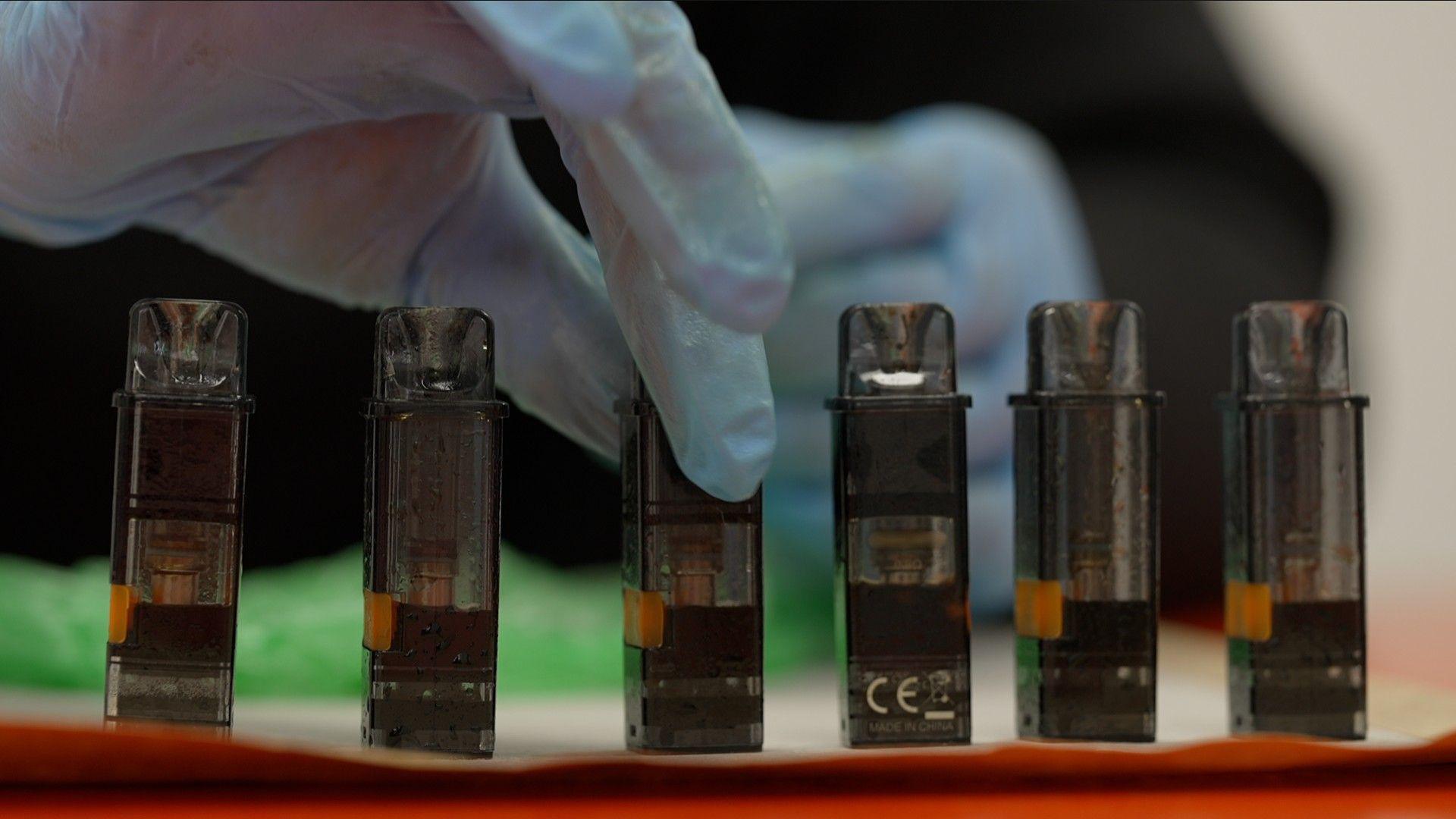
- Small bottles of liquid for use in vape pens
For more on identification, see our guide to what K2 looks and smells like.
Emergency Warning Signs: When to Call 911
Some symptoms of K2 use are medical emergencies. Call 911 immediately if someone shows:
- Seizures or convulsions
- Chest pain or signs of a heart attack
- Unresponsiveness or extreme drowsiness they can’t be roused from
- Severe agitation, violence, or psychosis
- Difficulty breathing
- Repeated, uncontrollable vomiting
- Unexplained bleeding or bruising — a possible sign of a contaminated batch (in 2018, K2 laced with rat poison caused a fatal bleeding outbreak)
Two critical things to know: naloxone (Narcan) does not reverse a K2 overdose — it only works on opioids. And emergency treatment is supportive, so the sooner professionals are involved, the better the outcome.
While waiting for help, keep the person calm, avoid restraining them if possible, move objects that could cause injury out of the way, and give first responders any packaging you have — knowing the product can genuinely help clinicians treat them.
What to Do if You Suspect Someone Is Using K2
How you approach the conversation matters enormously.
Lead with concern, not accusation. Shaming, threatening, or punishing tends to drive people deeper into secrecy and use. Say what you’ve observed and that you’re worried, rather than opening with an accusation.
Pick a calm moment. Never try to have this conversation while the person is intoxicated, agitated, or paranoid — it won’t land, and it can escalate.
Be specific. “I noticed you’ve been sick a lot and you haven’t been sleeping” is harder to deflect than “I think you’re on drugs.”
Know the facts. Many people using K2 genuinely believe it’s a safe, legal alternative to cannabis. Understanding the real risks — and being able to explain them calmly — is more persuasive than a lecture.
Be ready with a next step. Have the SAMHSA number on hand. If they’re open to help, act on it while the door is open.
Don’t wait for rock bottom. Because a single dose can cause a seizure or psychotic episode, waiting for things to get worse is a genuinely dangerous strategy with this drug.
Frequently Asked Questions
What are the most common symptoms of K2 use? The most common K2 symptoms include agitation, rapid heart rate, vomiting, drowsiness, confusion, red eyes, elevated blood pressure, and severe anxiety or paranoia. More serious symptoms include hallucinations, psychosis, and seizures.
How can you tell if someone is using K2 or Spice? Look for a cluster of changes rather than one sign: unexplained vomiting, agitation or paranoia, secretive behavior, declining performance at school or work, and physical evidence such as foil packets labeled “not for human consumption” or marketed as incense.
Does K2 have a distinctive smell? Not reliably. K2 lacks the strong, recognizable odor of cannabis, and the plant material and added scents vary by product — which is one reason it’s so hard to detect.
Will a standard drug test reveal K2 use? No. Standard 5-panel and 10-panel tests do not detect synthetic cannabinoids. Only a specialized synthetic cannabinoid panel can, and it must be ordered specifically.
What are the emergency warning signs of a K2 overdose? Seizures, chest pain, unresponsiveness, trouble breathing, violent psychosis, and unexplained bleeding all require an immediate 911 call. Naloxone does not reverse a K2 overdose.