
Blog
What Is Mojo? The Drug Behind the Louisiana Street Name

What Is Mojo? The Louisiana Street Name for Synthetic Cannabinoids
If someone is having a bad reaction to Mojo right now, call 911. For non-emergency guidance, call Poison Control at 1-800-222-1222. For help with substance use, call the SAMHSA National Helpline at 1-800-662-HELP (4357) — free, confidential, 24/7.
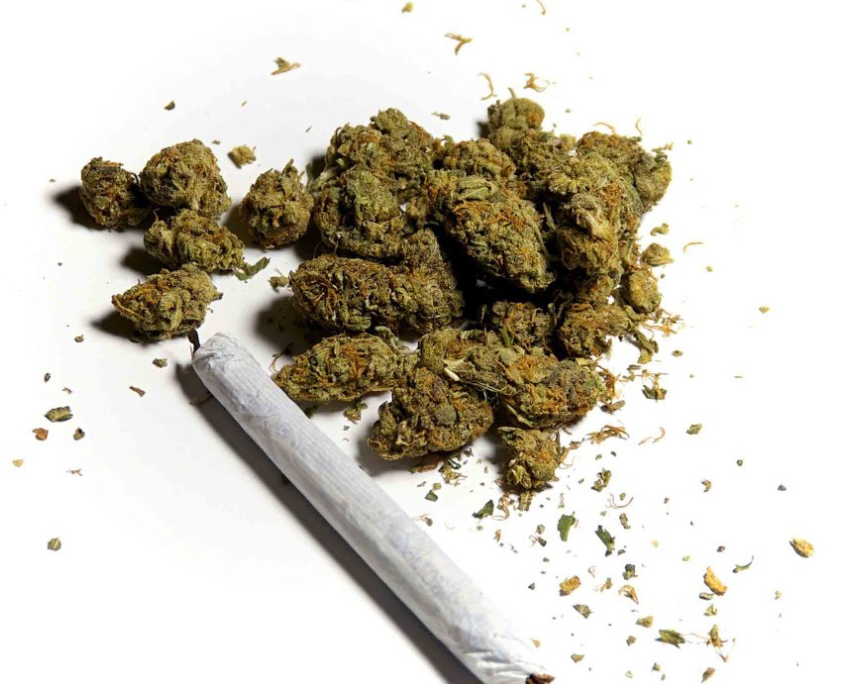
What is the Mojo drug? Mojo is a street name — used heavily in Louisiana and across the Gulf South — for synthetic cannabinoids, the same class of lab-made drugs sold elsewhere as K2 or Spice. Despite being nicknamed “synthetic marijuana” or “fake weed,” Mojo contains no cannabis at all. It’s dried plant material sprayed with man-made chemicals designed to hit the same brain receptors as THC, often with far stronger and far less predictable effects.
That difference is not academic. Mojo has been tied to waves of hospitalizations, poison control calls, and deaths in Louisiana — enough that the state has repeatedly rushed emergency bans of new chemical formulas as they appeared on shelves.
This guide explains where the name comes from, what’s actually in the drug, why it’s so dangerous, and what to do if someone you know is using it.
Where the Name “Mojo” Comes From
Every region develops its own slang for synthetic cannabinoids, and “Mojo” is the one that took root in Louisiana. The name borrows from Southern folk culture — a “mojo” is a charm or spell in hoodoo tradition — and it stuck as the local label for the foil packets of chemical-sprayed herbs sold in gas stations and head shops throughout the 2010s.
Louisiana’s own health officials use the term. When the state banned the compound MAB-CHMINACA in 2014, the Louisiana Department of Health noted it was being sold under street names including Spice, Mojo, K2, and Scooby Snax. Products with names like Mojo, Spice, K2, and Voodoo had already been outlawed in Louisiana as early as August 2010 — but manufacturers kept tweaking their formulas to dodge each new ban, which is exactly what makes the drug so unpredictable.
So when someone in Baton Rouge, New Orleans, or Lake Charles talks about Mojo, they’re talking about the same drug family a New Yorker might call K2 and a Londoner might call Spice.
What’s Actually in Mojo?
Mojo is not one substance. It’s a moving target: shredded plant material sprayed with whichever synthetic cannabinoid compound a manufacturer used that month. Researchers have identified hundreds of these compounds since 2009, with names like JWH-018, MAB-CHMINACA, and MDMB-CHMICA.
Two things make this chemistry dangerous:
Full agonists, not partial ones. THC — the psychoactive compound in real cannabis — only partially activates the brain’s CB1 receptors. Most synthetic cannabinoids are high-potency full agonists at those same receptors, meaning they push the receptor to its maximum. There is no ceiling effect the way there is with cannabis.
No dosing control whatsoever. The spraying process is crude. One packet — even one pinch — can carry a concentrated “hot spot” while the rest is nearly inert. Two people sharing the same bag can have wildly different outcomes, and the same person can have a routine experience one day and a medical emergency the next.
Why Mojo Keeps Sending People to the Hospital
Louisiana’s experience with Mojo reads like a case study in why “legal high” never meant “safe.”
In October 2014, a single new compound sold as Mojo and Spice was associated with more than 125 people seeking hospital treatment in the Baton Rouge area in under a month. Months later, the state banned three more compounds after products sold under names including Mojo were linked to deaths and numerous hospitalizations. In 2018, 45 people in Lake Charles were hospitalized in a single week after smoking synthetic marijuana.
Documented effects of synthetic cannabinoids include:
- Racing heart rate and elevated blood pressure
- Severe agitation, anxiety, and paranoia
- Hallucinations and psychotic episodes
- Vomiting and profuse sweating
- Seizures
- Kidney injury
- Suicidal thoughts and behavior
- Coma and death in severe cases
Unlike an opioid overdose, there is no reversal drug. Naloxone (Narcan) does not work on synthetic cannabinoids. Emergency care is supportive — which is why calling 911 early matters.
Addiction is real, too. Published medical case reports describe patients in Gulf Coast hospitals with severe physical dependence on Mojo, experiencing full withdrawal symptoms within hours of their last use.
Mojo and Other K2 Street Names
Mojo is one entry in a long list of synthetic cannabinoid street names and fake weed names. Recognizing them helps parents, teachers, and corrections staff spot what they’re dealing with. Common synthetic weed names include:
| Region / Context | Common Street Names for K2 |
|---|---|
| Louisiana & Gulf South | Mojo, Voodoo |
| Nationwide (brand-style) | K2, Spice, Black Mamba, Mr. Nice Guy, Scooby Snax, Serenity, Joker, Kush, Kronic |
| Descriptive slang | Fake weed, synthetic marijuana, legal high, herbal incense, potpourri |
| Newer slang | Tucci/Toochie, Deuce |
Two red flags cut across every name: packaging labeled “not for human consumption” (a legal dodge, not a safety note) and marketing as incense or potpourri sold near the register at gas stations and smoke shops.
For the full A–Z list, see our complete K2 street names glossary.
Is Mojo Illegal?
Yes. Louisiana first banned synthetic cannabinoid compounds in 2010 and has added new ones to its Schedule I list repeatedly since, often by emergency rule. Federally, the Synthetic Drug Abuse Prevention Act of 2012 placed major synthetic cannabinoids into Schedule I of the Controlled Substances Act, and the federal Analogue Act allows chemically similar copycats to be prosecuted the same way. The “it’s legal because the store sells it” logic has been false for over a decade.
Getting Help for Mojo Use
Synthetic cannabinoid dependence is treatable. Withdrawal can be intense — cravings, insomnia, anxiety, irritability — and medically supervised detox makes quitting safer and more likely to stick.
- SAMHSA National Helpline: 1-800-662-HELP (4357) — free, confidential, 24/7 treatment referrals
- Poison Control: 1-800-222-1222 — for exposure questions and bad reactions
- 911 — for seizures, unresponsiveness, chest pain, or violent psychotic symptoms
If you’re a parent or partner who found a foil packet labeled as incense, don’t dismiss it. Read our guide to the warning signs of K2 use and start the conversation.
Frequently Asked Questions
Is Mojo the same as K2 and Spice? Yes. Mojo, K2, and Spice are regional and brand-style street names for the same drug class: synthetic cannabinoids. The chemicals inside vary from batch to batch, but the risks are the same.
Is Mojo just strong weed? No. Mojo contains no cannabis. Its active ingredients are lab-made chemicals that fully activate the brain’s cannabinoid receptors, producing effects — seizures, psychosis, kidney damage — that cannabis does not.
Can you overdose on Mojo? Yes. Synthetic cannabinoid overdoses have caused seizures, strokes, coma, and death. Naloxone does not reverse them; call 911 and provide supportive care until help arrives.
Does Mojo show up on a drug test? Standard drug panels usually miss synthetic cannabinoids, which is one reason people use them — but specialized tests can detect them. Read more in our K2 drug test guide.